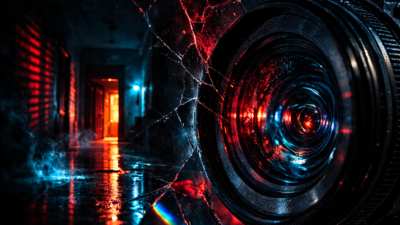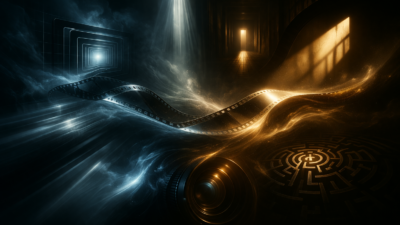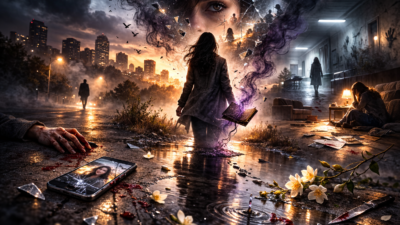
Cinematic Lighting is one of the most powerful instruments in filmmaking. Before a character speaks, before music builds tension and even before the camera moves, light quietly establishes the emotional rules of a scene. It reveals and conceals, guides perception and shapes the psychological terrain of the narrative.
In most films, lighting is often treated as a technical necessity.
Something that ensures the audience can see what is happening. But in psychological thrillers, cinematic lighting becomes like a narrative language. It does not simply illuminate environments; it manipulates interpretation. Light draws the viewer’s eye toward certain truths while shadows quietly guard others.
This balance between illumination and darkness is where suspense begins.
In psychological storytelling, the audience rarely receives the entire picture at once. Instead, filmmakers carefully orchestrate what is visible and what remains hidden. A beam of light may expose a fragment of the story while leaving the surrounding frame shrouded in ambiguity. Shadows stretch across surfaces, hinting at the presence of something unseen.
The result is a visual tension between knowledge and uncertainty.
This tension is central to the craft of psychological thrillers. Rather than relying solely on dialogue or plot twists, the genre often builds suspense through contrast: between light and darkness, clarity and obscurity, revelation and concealment.
In my screenplay Yohana’s World, this contrast becomes a defining visual principle. Cinematic lighting reflects Yohana’s psychological journey: moments of clarity emerge through illumination, while unresolved memories linger within shadow. The audience experiences her internal world not only through narrative events but through the shifting balance of light within the frame.
Cinema, after all, is an art built upon controlled visibility.
And sometimes the most important truths appear only when the light changes.
Light as perception and truth
At its most fundamental level, light determines what the audience can see. Yet in cinema, the significance of light goes far beyond visibility. Cinematic lighting directs perception, shaping how viewers interpret emotional cues and narrative information.
Every scene in a film contains a hierarchy of visual attention. The brightest area within the frame naturally attracts the viewer’s eye first. Filmmakers use this principle deliberately, guiding audiences toward specific characters, objects or areas of the environment that carry narrative importance.
But psychological thrillers often complicate this visual logic.
They use cinematic lighting not just to reveal information, but to change how that information is understood.
Film theorists frequently describe lighting as a tool for visual storytelling. By controlling brightness and contrast within a frame, directors and cinematographers determine what the viewer notices first and what remains secondary.
A character illuminated by a spotlight appears momentarily exposed, as though truth has been revealed. An object glowing within darkness becomes symbolically significant. The audience instinctively interprets brightness as clarity.
However, psychological thrillers frequently subvert this expectation.
Illumination may guide the viewer toward something that appears meaningful, but that apparent clarity may be misleading. Cinematic lighting can draw attention to one element while quietly concealing another.
Classic film noir cinema perfected this technique. Harsh streetlights, narrow beams through Venetian blinds and stark contrasts between brightness and darkness created environments where truth seemed perpetually incomplete. Characters stepped into light only briefly before disappearing again into shadow.
In such visual worlds, illumination becomes both revelation and distraction.
The viewer begins to question whether what they see represents the whole truth.
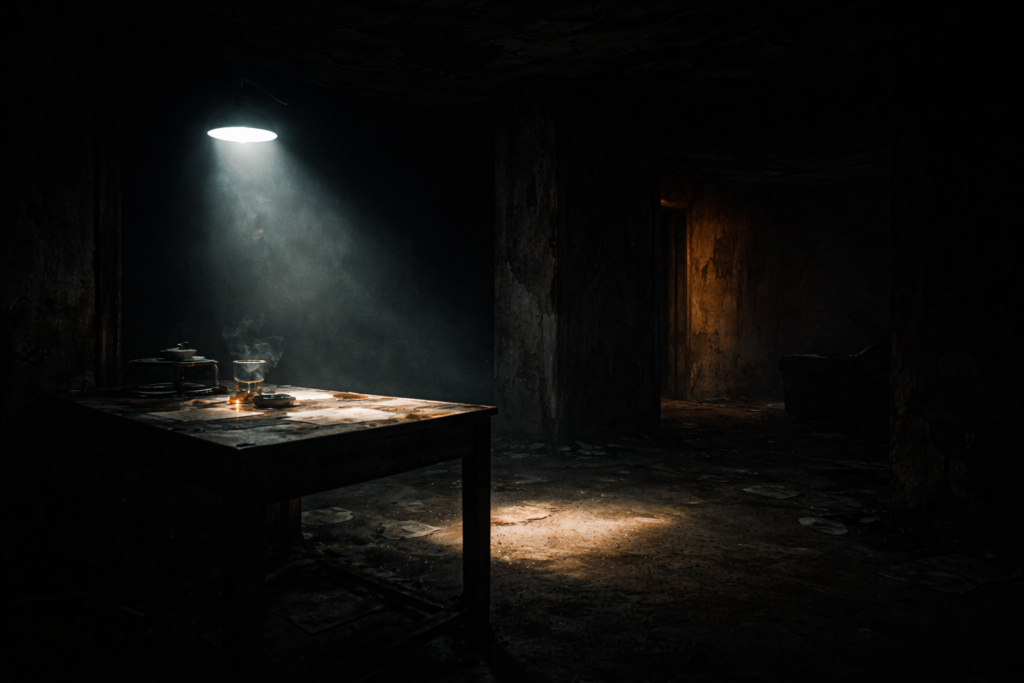
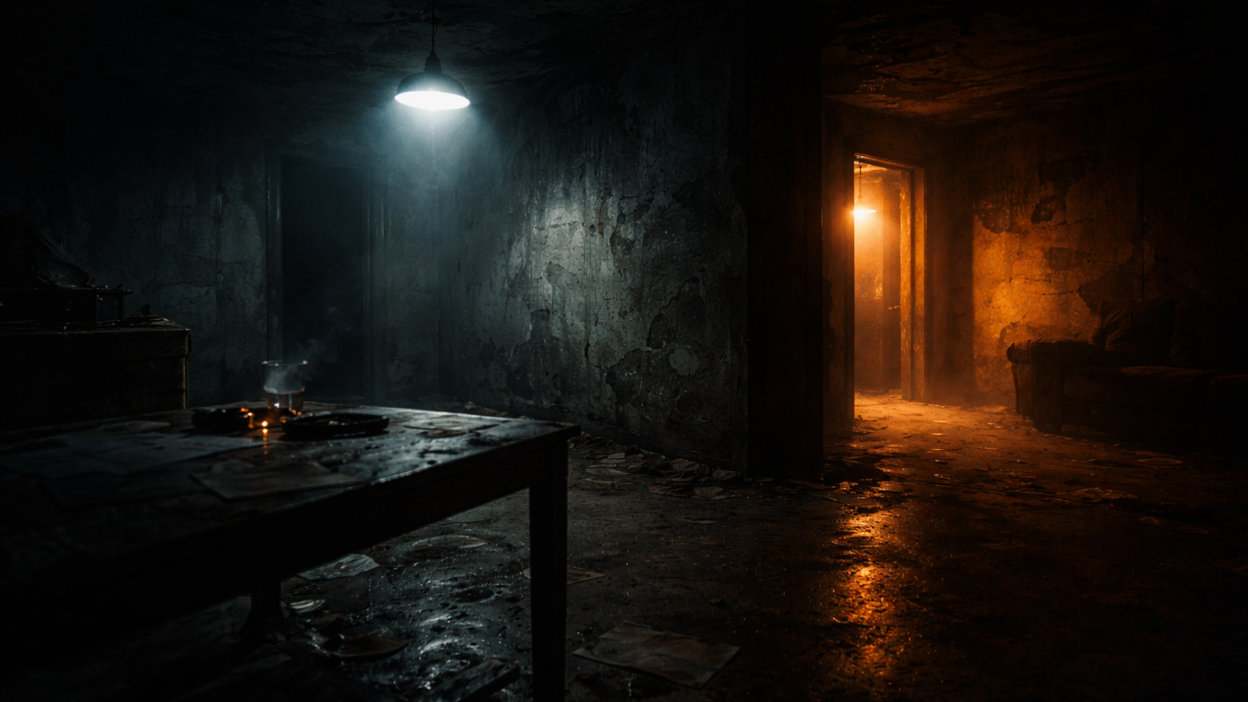
In Yohana’s World, cinematic lighting functions less as a tool of visibility and more as a reflection of perception. Scenes often contain pockets of illumination that isolate fragments of the environment while leaving surrounding areas ambiguous.
A room may appear partially illuminated, revealing certain details while concealing others. A character may move between light and shadow as their internal understanding shifts.
These lighting decisions mirror the psychological structure of the narrative.
Yohana’s perception of reality evolves gradually. Truth does not appear all at once. It emerges through fragments of awareness.
Through cinematic lighting, the viewer experiences this process visually. Light offers glimpses of clarity, yet uncertainty remains within the surrounding darkness.
Shadows as the unconscious
If light represents perception, shadow often represents what lies beyond it.
Throughout cinematic history, shadows have carried powerful psychological symbolism. They suggest the presence of hidden forces, suppressed memories or unresolved conflicts within a character’s inner world.
In psychological thrillers, shadows rarely function merely as the absence of light. Instead, they become expressive elements of visual storytelling.
One of the defining characteristics of suspense cinema is its strategic use of darkness. When portions of the frame remain obscured, the viewer’s imagination becomes active. The mind begins filling those unseen spaces with possibilities.
This psychological response is deeply rooted in human perception. Darkness creates uncertainty and uncertainty breeds tension.
Directors like Alfred Hitchcock used shadows to amplify suspense by withholding visual information. By allowing parts of the frame to remain concealed, he encouraged viewers to anticipate danger before it appeared.
Film noir expanded this technique into a visual philosophy. Characters often appeared fractured by shadows cast through blinds or architectural structures, symbolizing moral ambiguity and internal conflict.
In these cinematic worlds, shadows functioned as metaphors for the unconscious, the parts of the psyche that characters attempt to hide from themselves.
Cinematic lighting thus became a psychological glass.
In Yohana’s World, shadows operate as visual echoes of unresolved memory. They stretch across surfaces, distort familiar shapes and occasionally obscure elements that may later prove significant.
These shadows do not always signal immediate threat. Instead, they introduce visual ambiguity.
The viewer senses that something exists beyond immediate perception. The frame does not confirm it, but it invites speculation.
Through cinematic lighting, the boundary between the visible and the hidden becomes psychologically meaningful.
What remains unseen may carry as much narrative weight as what is revealed.
Hard Light vs Soft Light
Lighting does not differ only in brightness; it also varies in texture. The distinction between hard light and soft light significantly influences how viewers interpret the emotional tone of a scene.
In psychological thrillers, the texture of cinematic lighting becomes an expressive language.
Hard light produces sharp edges and distinct shadows. It creates high contrast within the frame, emphasizing detail and intensity. When faces are illuminated by hard light, every feature becomes more pronounced. Emotions appear raw, exposed, sometimes even uncomfortable.
Soft light, by contrast, diffuses illumination across surfaces. Shadows become subtle, edges soften and the overall atmosphere feels calmer and more natural.
Most films use these two lighting textures to support emotional storytelling. Hard light may accompany moments of conflict or revelation. Soft light often surrounds characters when they experience comfort or safety.
But psychological thrillers frequently challenge this pattern.
Soft lighting can conceal just as effectively as darkness. A gently lit environment may hide subtle visual details that the audience overlooks. Hard light, meanwhile, can expose truths characters wish to avoid.
Through these contrasts, cinematic lighting becomes a powerful emotional language.
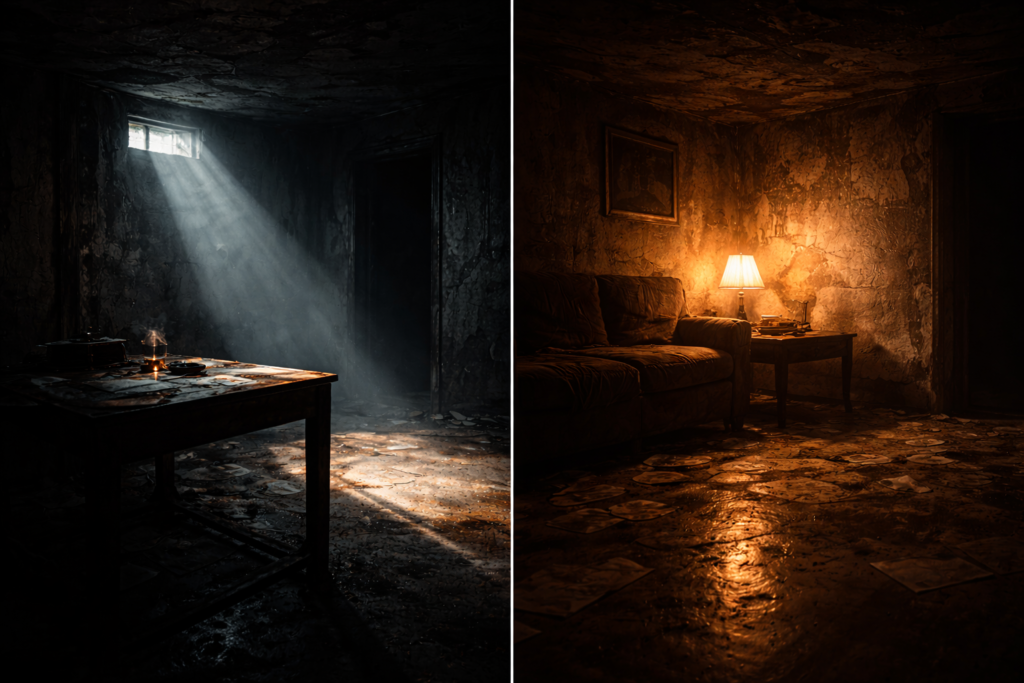
In Yohana’s World, lighting textures shift alongside Yohana’s internal journey.
Moments of psychological confrontation often appear under stronger contrast. Harder lighting sharpens shadows and emphasizes emotional intensity. The environment feels more rigid, more exposed.
On the other hand, softer illumination accompanies moments of reflection or temporary calm. Yet this softness does not guarantee safety. It is crafted to suggest uncertainty: a state where clarity has not yet fully emerged.
The interplay between hard and soft cinematic lighting becomes a visual rhythm throughout the story.
Light behaves almost like emotional weather, shifting subtly as Yohana’s perception evolves.
Emotional temperature through color and tone
Beyond brightness and texture, lighting also carries emotional temperature. Color and tonal variation influence how audiences experience the atmosphere of a scene before characters express their feelings.
In psychological thrillers, color temperature plays an essential role in shaping emotional interpretation.
Warm lighting, characterized by amber, gold or soft orange tones, often evokes comfort, nostalgia or intimacy.
Cool lighting, leaning toward blue or steel-gray tends to suggest detachment, unease or isolation.
Cinematographers use these color temperatures strategically to shape audience emotion.
A warmly lit room may initially appear safe, even if danger lies just beyond the frame. Conversely, cold environments may heighten feelings of alienation and psychological distance.
In suspense-driven storytelling, the contrast between warm and cool cinematic lighting can subtly foreshadow narrative developments.
Warm light may represent memory or emotional connection. Cool light may accompany moments of introspection or psychological conflict.
In Yohana’s World, shifts in lighting temperature needs to reflect Yohana’s fluctuating emotional landscape.
Warmer tones need to appear during moments tied to relationships or fragments of emotional grounding. Cooler tones need to accompany scenes where uncertainty grows stronger and the psychological tension deepens.
These visual transitions must occur quietly, beneath the surface of the narrative. The audience may not consciously identify them, yet the emotional effect should accumulate over time.
Through cinematic lighting, color needs to become emotional subtext.
Hiding the Truth in the frame
One of the defining traits of psychological thrillers is their manipulation of visibility. Information rarely appears all at once. Instead, filmmakers allow the audience to discover critical details gradually, sometimes only after viewers have already formed assumptions.
Lighting plays a crucial role in this process.
By controlling illumination within the frame, filmmakers determine which details remain hidden and which become visible. Objects positioned just beyond the brightest areas may escape immediate attention. Shadows may obscure clues that gain significance later in the story.
This technique encourages viewers to participate actively in interpretation.
The audience becomes an investigator, scanning the frame for meaning. Later revelations may cause viewers to recall earlier scenes and realize that the truth had been present all along, simply concealed within visual contrast.
Cinematic lighting therefore transforms visibility into suspense.
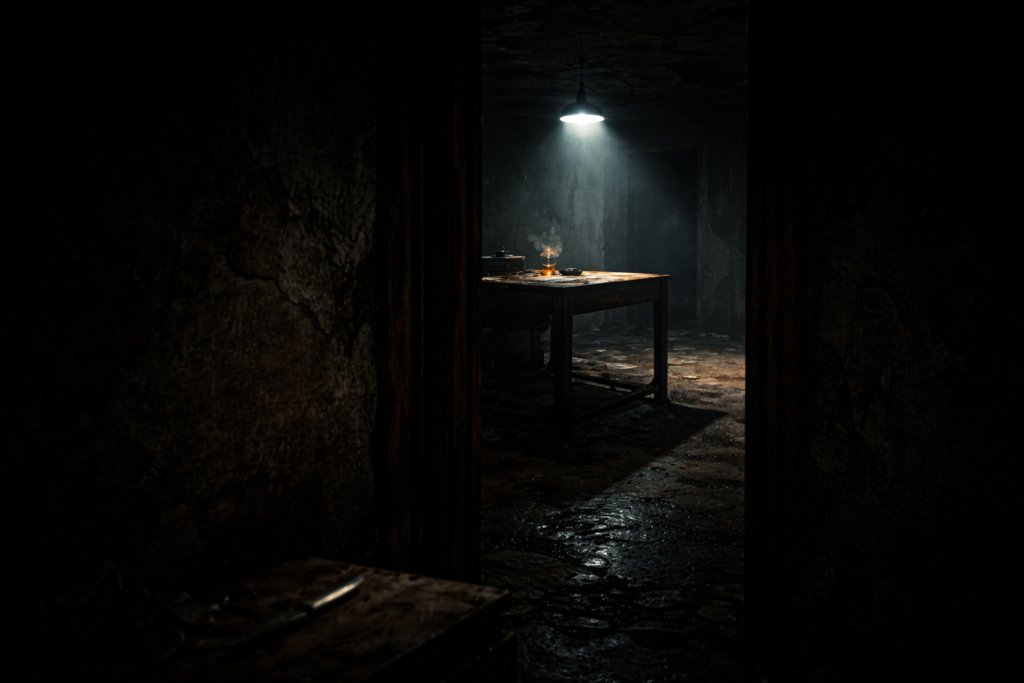
In Yohana’s World, cinematic lighting is aimed to frequently guide the viewer’s gaze toward specific details while quietly hiding others.
An illuminated object must draw attention while the surrounding frame should remain subdued. As the narrative unfolds, previously unnoticed elements need to gain significance.
This visual strategy will then reflect the psychological theme of the story: perception evolves over time.
Truth emerges gradually from shadow.
Contrast as Psychological Language
In psychological thrillers, the contrast between light and shadow becomes a visual metaphor for the struggle between knowledge and uncertainty.
Light promises clarity.
Shadow protects secrets.
Between them lies the psychological territory where suspense thrives.
Through cinematic lighting, filmmakers shape how audiences perceive truth. Illumination guides the eye, shadow invites imagination and contrast transforms ordinary spaces into emotional landscapes.
In Yohana’s World, this interplay should become part of the film’s visual DNA. Lighting must not merely illuminate environments, it needs to reflect the shifting boundary between what Yohana understands and what remains hidden within her past.
The audience will then experience this tension through visual sensation.
Because in cinema, the most revealing truths are often the ones hidden in plain sight.
Make Yohana’s World your own
Yohana’s World is a psychologically layered thriller built upon a carefully designed visual language that integrates spatial design, framing and cinematic lighting into the foundation of its storytelling.
The project is currently available for direct acquisition at $555,000, including:
• Full feature 118 page screenplay
• Scene-by-scene breakdown
• Character psychology profiles
• Visual language and cinematic lighting framework
• Structural beat map and development materials
I present to you a cinematic blueprint.
Invest in Yohana’s World today.
Own the vision.
Bring the shadows into light.
Register your interest on Yohana’s World official website.